

At STOMP Out Bullying, we understand that bullying prevention is deeply connected to identity, representation, and justice.
Black youth experience disproportionately high rates of :
- racial harassment
- online hate
- school-based discrimination
- mental health stigma
- disciplinary disparities
These experiences can lead to feelings of isolation, low self-esteem, and a lack of belonging, which can have long-lasting effects on their mental health and well-being. It is essential to recognize that these are forms of bullying and are not only harmful but also deeply connected to systemic injustices and inequality.
These forms of bullying have profound effects on young people’s mental health, shaping their emotional development, academic confidence, and overall well-being.

Actively create environments where Black youth feel safe, valued, and respected.
We must create an atmosphere in our schools where diversity is celebrated, not silenced. This also means fostering online spaces where kindness and accountability replace cruelty and harassment. When young people feel protected, they can thrive.
Bullying prevention cannot be done in isolation; it must be grounded in an understanding of the intersections of identity, representation, and justice. It is crucial to listen to and center the voices of Black youth. By working together towards a more inclusive and equitable society, we can create environments where all young people can feel safe, valued, and respected.
What we can do
Creating environments where Black youth feel safe, valued, and respected requires intentional action and a commitment to dismantling systemic injustices. Here are some strategies that individuals, communities, and institutions can implement:
- Listen to and center Black voices: It is essential to listen to and center the voices of Black youth in any conversation around bullying prevention. This means actively seeking out their perspectives and experiences, and prioritizing their leadership in decision-making processes.
- Address systemic injustices: Bullying is not just a problem of individual behavior, but also a symptom of larger systemic injustices. To create safe spaces for Black youth, it is crucial to address these injustices head-on, such as racial discrimination, inequality, and marginalization.
- Foster inclusive environments: Create schools and communities where diversity is celebrated and not silenced. Encourage open communication and mutual respect among students of all backgrounds.
- Implement culturally responsive policies: Develop policies that are grounded in the experiences and perspectives of Black youth. For example, create policies that address racial disparities in discipline, provide mental health resources specifically for Black students, and promote cultural competency training for educators and staff.
- Provide mentorship and support: Connect Black youth with positive role models and mentors who can provide guidance, support, and a sense of belonging. This can help build self-esteem and confidence, which are critical for mental health and well-being.
- Address microaggressions: Microaggressions are subtle, often unintentional verbal or nonverbal behaviors that can be damaging to Black youth. Educate yourself and others on how to recognize and address these behaviors, which can help create a safer and more respectful environment.
- Amplify Black voices: Use your platform to amplify the voices of Black youth and to highlight their experiences and perspectives. This can help shift the narrative around bullying prevention and ensure that the needs and experiences of Black youth are prioritized.
- Provide safe spaces: Create physical and virtual spaces where Black youth can feel safe and supported. This can include after-school programs, online communities, or simply designated areas in schools where Black students can congregate and feel comfortable.
- Address trauma: The effects of bullying can be particularly severe for Black youth who may have experienced systemic trauma. Provide mental health resources and support tailored to the needs of Black youth, and prioritize healing and restorative justice practices.
- Engage in ongoing self-reflection: Bullying prevention is an ongoing process that requires continuous self-reflection and growth. Regularly assess your own biases and privileges, and work to dismantle any structures or systems that perpetuate inequality and discrimination.
By implementing these strategies, we can actively create environments where Black youth feel safe, valued, and respected. This is not only important for their mental health and well-being but also crucial for creating a more just and equitable society for all young people.
Black History & Bullying Prevention: A Shared Mission
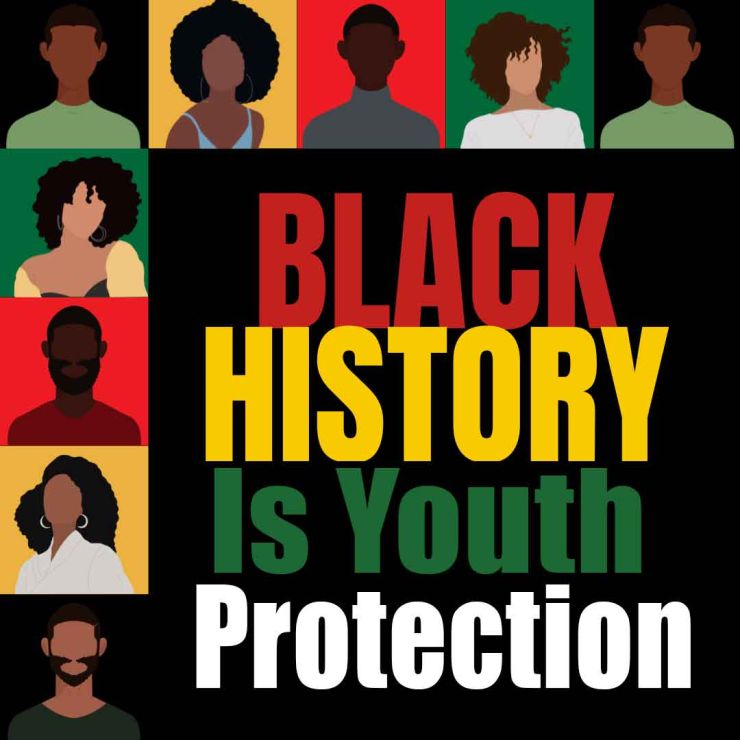
Black History Month and bullying prevention share a common goal of dignity for all. The fight against bullying is not just about reducing incidents of bullying; It is about recognizing the value and worth of every individual, regardless of their race, ethnicity, or identity. By actively addressing the systemic injustices that contribute to the marginalization of Black youth, we can create a more just and equitable society for all.
At STOMP Out Bullying, we are committed to this work. We understand that bullying prevention is not a one-size-fits-all solution; it requires a nuanced understanding of the complex intersections of identity, representation, and justice. We recognize that the experiences of Black youth are unique and multifaceted, and we are dedicated to centering their voices and perspectives in our work. Together, we can create a world where every young person can thrive.
Celebrating Black History Month
Each February, National Black History Month serves as both a celebration and a powerful reminder that Black history is American history, Black culture is American culture, and Black stories are essential to our ongoing story — our faults, our struggles, our progress, and our aspirations. The Association for the Study of African American Life and History (ASALH) who works to promote, research, preserve, interpret and disseminate information about Black life, history and culture to the global community. Each year they choose a theme for Black History Month that reflects changes in how people of African descent in the United States have viewed themselves.
Here are some ways you can celebrate black history this month:
- Support a local Black business
- Visit a Black History or Civil Rights Museum in your local area

- Donate to a Black organization
- Spend time with a Black elder in your community
- Read a book by a Black author
- Sign up to mentor a Black child in your community
- Attend or host a Black culture event in your community
- Learn about an unsung hero of Black history
- Explore Black Music
- Sign up to receive news from a Black organization
- Contribute an essay or blog to a Black media outlet
- Support the black media, black press, and the NNPA
- Engage in healthy conversations about Black history on social media
- Read a biography of an influential Black figure
Follow STOMP Out Bullying