
Most Americans learn about major moments in history. We learn dates, events, and the names of influential leaders.
But history is more than what appears in textbooks.
It is also the stories we pass down through families, communities, and generations. It is the experiences we choose to remember, celebrate, and learn from.
Juneteenth is one of those stories.
Observed each year on June 19, Juneteenth commemorates the day in 1865 when Union troops arrived in Galveston, Texas, and informed enslaved people that they were free. More than two years had passed since the Emancipation Proclamation had declared slavery abolished in Confederate states.
Today, Juneteenth is recognized as a federal holiday and celebrated across the country. But for generations, the story of Juneteenth was preserved largely through families, communities, churches, and local celebrations that ensured its significance would not be forgotten.
More Than a Date in History
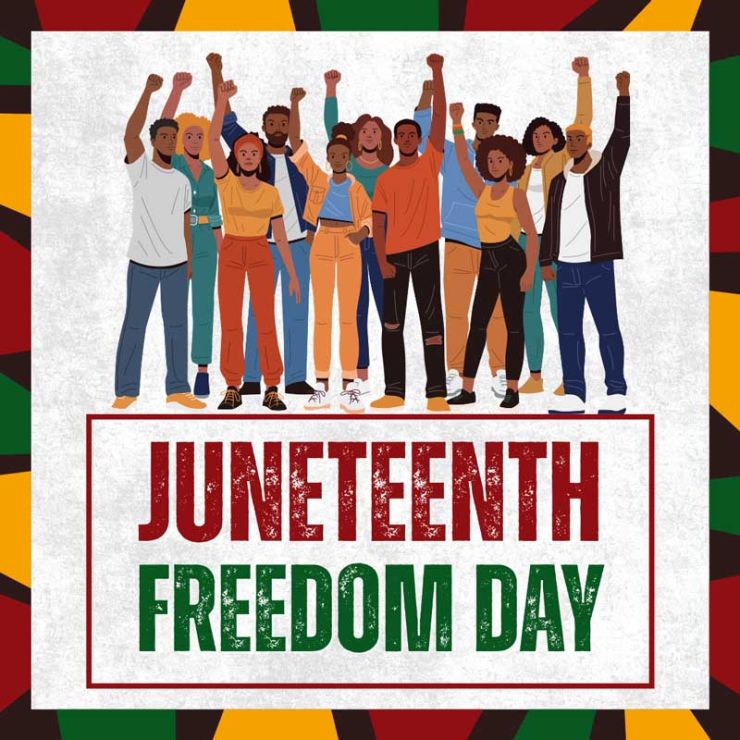
Juneteenth is not simply a historical milestone. It is a celebration of freedom, resilience, culture, and community.
Across the country, people gather to honor the holiday through festivals, music, food, art, storytelling, education, and service. These traditions connect generations and help preserve the history and legacy of those who came before us.
Service is another meaningful way many people observe Juneteenth. Whether through volunteering, supporting local organizations, or participating in community initiatives, acts of service offer an opportunity to honor the holiday by investing in the well-being of others and helping build stronger communities.
They also remind us that history is not static. Our understanding of the past continues to grow as we learn from new voices, perspectives, and experiences.
The Stories That Shape Our Understanding
Every community has stories that help us understand who we are and how we got here.
Black history is an essential part of the American story. Yet many stories of Black achievement, innovation, leadership, activism, creativity, and resilience have not always received the same attention as other parts of our history.
Juneteenth offers an opportunity to explore those stories more deeply.
When we read memoirs, watch documentaries, visit museums, attend community events, or listen to personal experiences, history becomes more than a collection of facts. It becomes human. We begin to see the people behind the events and the experiences behind the headlines.
Learning from those stories helps us develop a fuller understanding of our country, our communities, and one another.
5 Books, Films, and Stories to Explore This Juneteenth
Looking for ways to learn more this Juneteenth? Consider exploring one of these powerful stories:
1. Brown Girl Dreaming by Jacqueline Woodson
This award-winning memoir shares the author's childhood through poetry and offers a moving reflection on family, identity, and growing up during the Civil Rights Movement.
2. Stamped by Jason Reynolds and Ibram X. Kendi
Written for young readers, this book explores the history of race in America through engaging storytelling and historical context.
3. Hidden Figures
This inspiring film tells the true story of Black women mathematicians whose work played a critical role in America's early space program.
4. Selma
A powerful portrayal of the 1965 voting rights movement and the individuals who organized, marched, and advocated for change.
5. Stories From Your Own Community
Visit a local museum, attend a Juneteenth celebration, explore oral histories, or learn about Black leaders, artists, educators, and changemakers in your own community.
Looking for even more ways to engage with Juneteenth? Explore our 2023 article, Juneteenth: Honoring Freedom and Continuing the Journey Toward Equity, for additional resources and ideas for celebrating, learning, and participating in the holiday.
What Will We Remember?
Juneteenth invites us to reflect not only on the past, but also on how we engage with history today.
Whose stories do we seek out? What perspectives do we make space for? What can we learn from experiences beyond our own?
The answers to those questions help shape how we understand the world around us.
This Juneteenth, take time to learn, reflect, and celebrate. Explore a story you have never heard before. Listen to a voice that offers a different perspective. Attend a local event or learn more about the history that helped shape our nation.
Because the stories we choose to remember help shape the future we create together.
Every day, students are facing bullying, harassment, and online harm;
often without support. Help us reach them before it escalates.
Follow STOMP Out Bullying